Consumption and Travel | Part 2
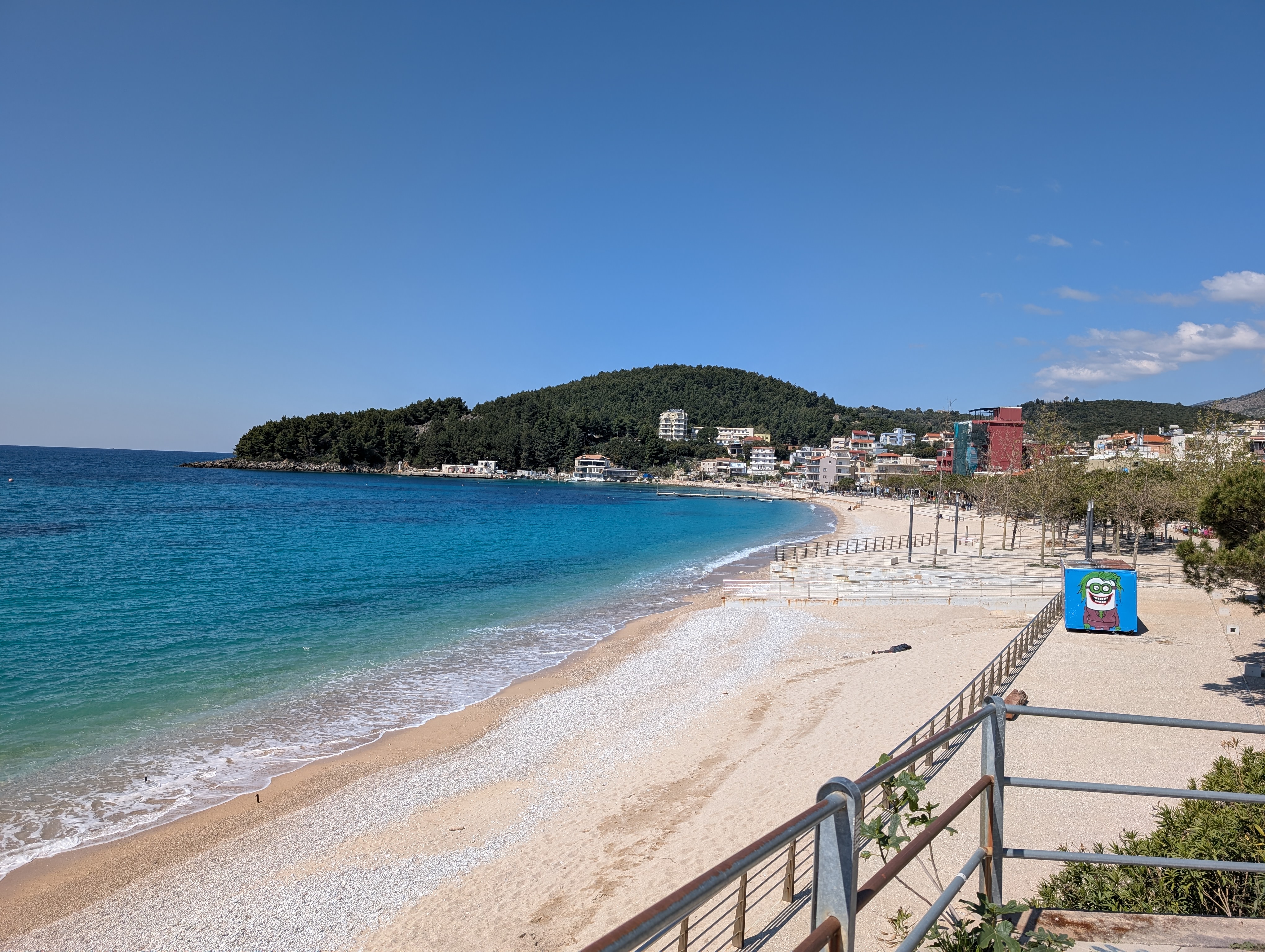
My tent, stuffed on the outside of my pack, was wet from last night’s frost: the perfect excuse for a quick stop at the beach. I got off the bus at Himarë, a small town on the coast, and laid out my tent to dry.
Aimless
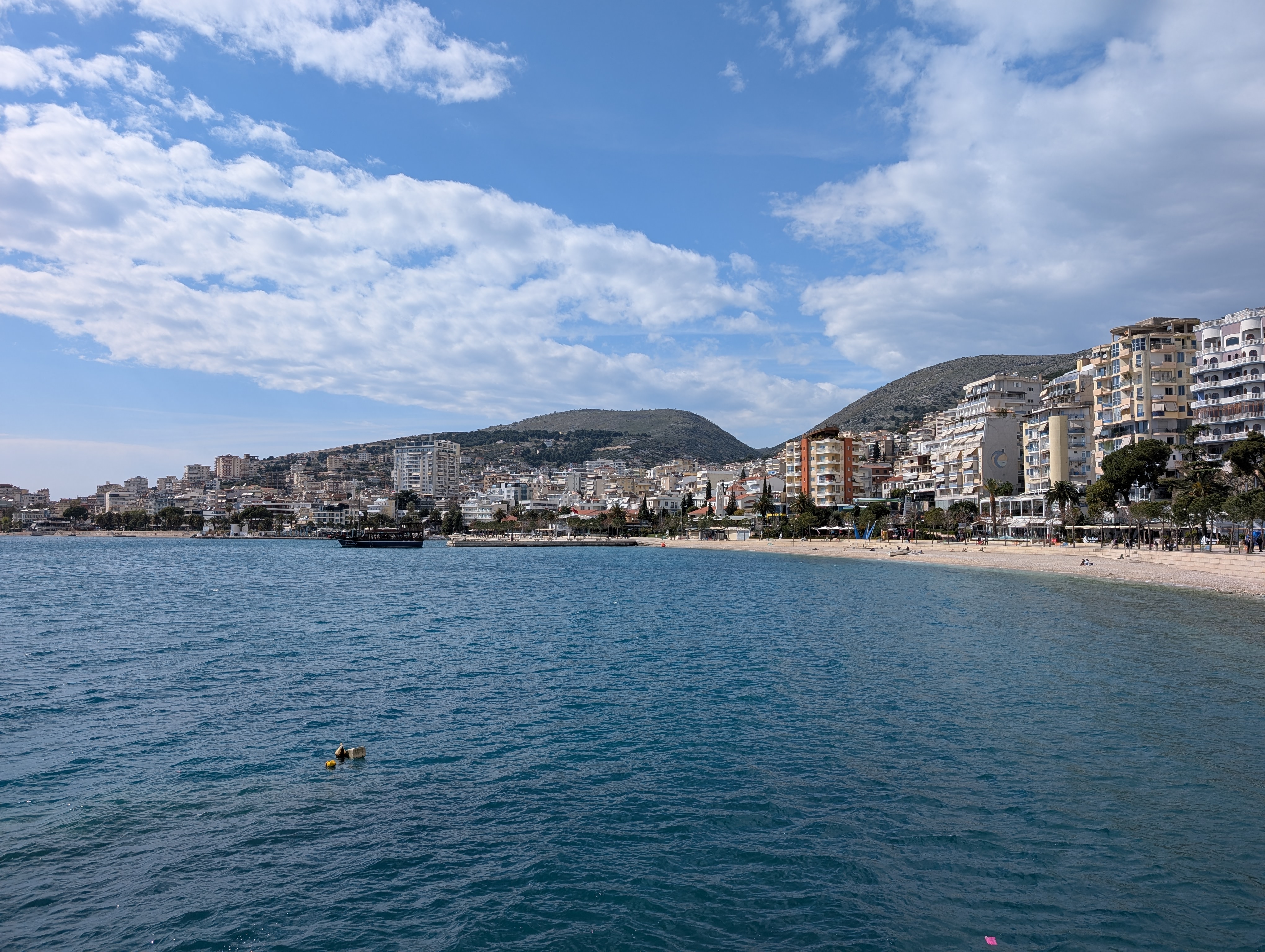
The town was dead silent. Most shops and restaurants hadn’t opened for the season yet in early April. After a short few hours in Himarë, I quickly made my way to another coastal town: Sarandë. Being a much larger town, Sarandë was still empty but at least had a backpacker’s hostel.
Sarandë
Sarandë, Albania tops many lists as a paradise for summer vacations with its beautiful beach and plenty of tourist accommodation. I felt that tourism had overwhelmed the city. When a cruise ship comes into port, everything changes. Vacationers flood off the boat and the boardwalk is overrun by loud English speakers. If you stay for a few nights, you can experience the negative effects yourself.
I talked with the owner and founder of the backpacker’s hostel in Sarandë. He stated clearly “The cruise ships do nothing good for the people of Sarandë.” While the cruise ships consume the resources and focus of the city, local businesses and communities are overrun and replaced with those catering to wealthy foreigners. The cruise ships market their own food, drinks, and tours, capturing the majority of the profit.
This became crystal clear to me weeks later when I visited another town plagued by cruise ships: Kotor, Montenegro.
A town under siege
Arriving at night in Kotor, Montenegro was a magical experience. Friede and I walked down the narrow streets under the yellow light of street lamps. The mountain was lit up with lights along the old defensive walls, above us were stars. We grabbed some overpriced pizza from a hole-in-the-wall shop as we walked around the old town.
The next morning, we stepped out of our Airbnb into a crowd of loud tourists. It was a shock. The calm atmosphere was washed away by a tide of selfie-stick-carrying vacationers. We could only escape by hiking the mountain, out of their reach.
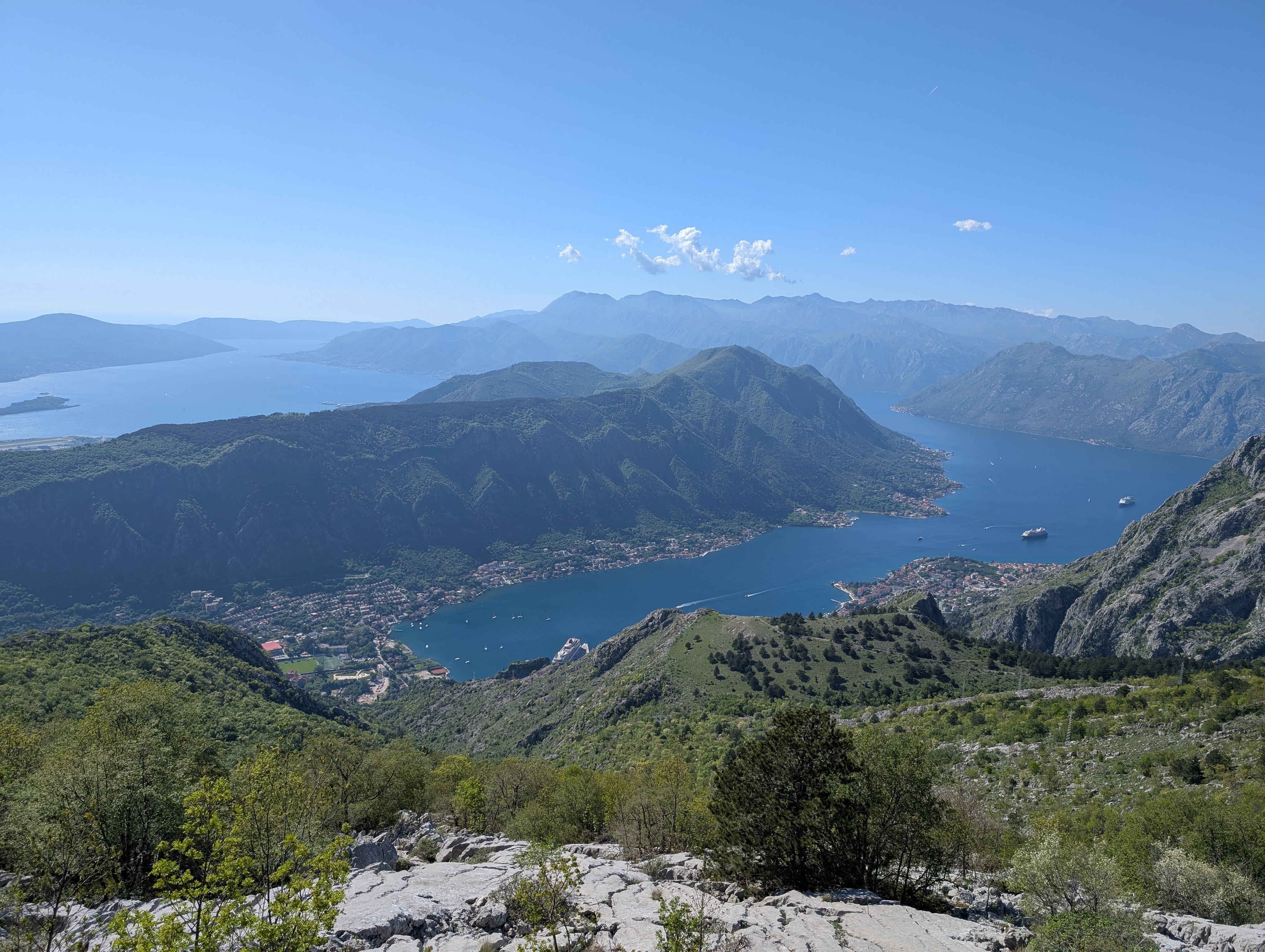
Later, on a hitchhike along the Mediterranean coast, we talked to a local about Kotor. They told us how local businesses and community hangouts in Kotor had been replaced with expensive restaurants. The prices had shot up in the town and everyone was pushed out unless they started an Airbnb to afford the new cost of living. The old culture of Kotor was gone. There was no happy transition, it was eliminated piece by piece. The newly manufactured “Historic Disneyland” continues to be bombarded with multiple cruise ships a day, after already pushing the locals out. Understanding the opportunistic, relentless advance of the cruise ship industry made me sick. They commoditize what makes a place special, stealing it from locals and selling it at inflated prices to wealthy foreigners. These experiences with overtourism made me reflect more deeply on my own role as a traveler.
Traveler or Tourist?
Let me return to my time in Albania. After a few nights in Sarandë, I made my way to a highly recommended hostel in Gjirokastër. Gjirokastër is inland, protected from the attack on the coast.
What makes a good hostel:
- Fewer beds with lots of common space
- A passionate, well-traveled owner present
- Both volunteers and locals interacting with guests
Stone City Hostel in Gjirokastër had all of these.
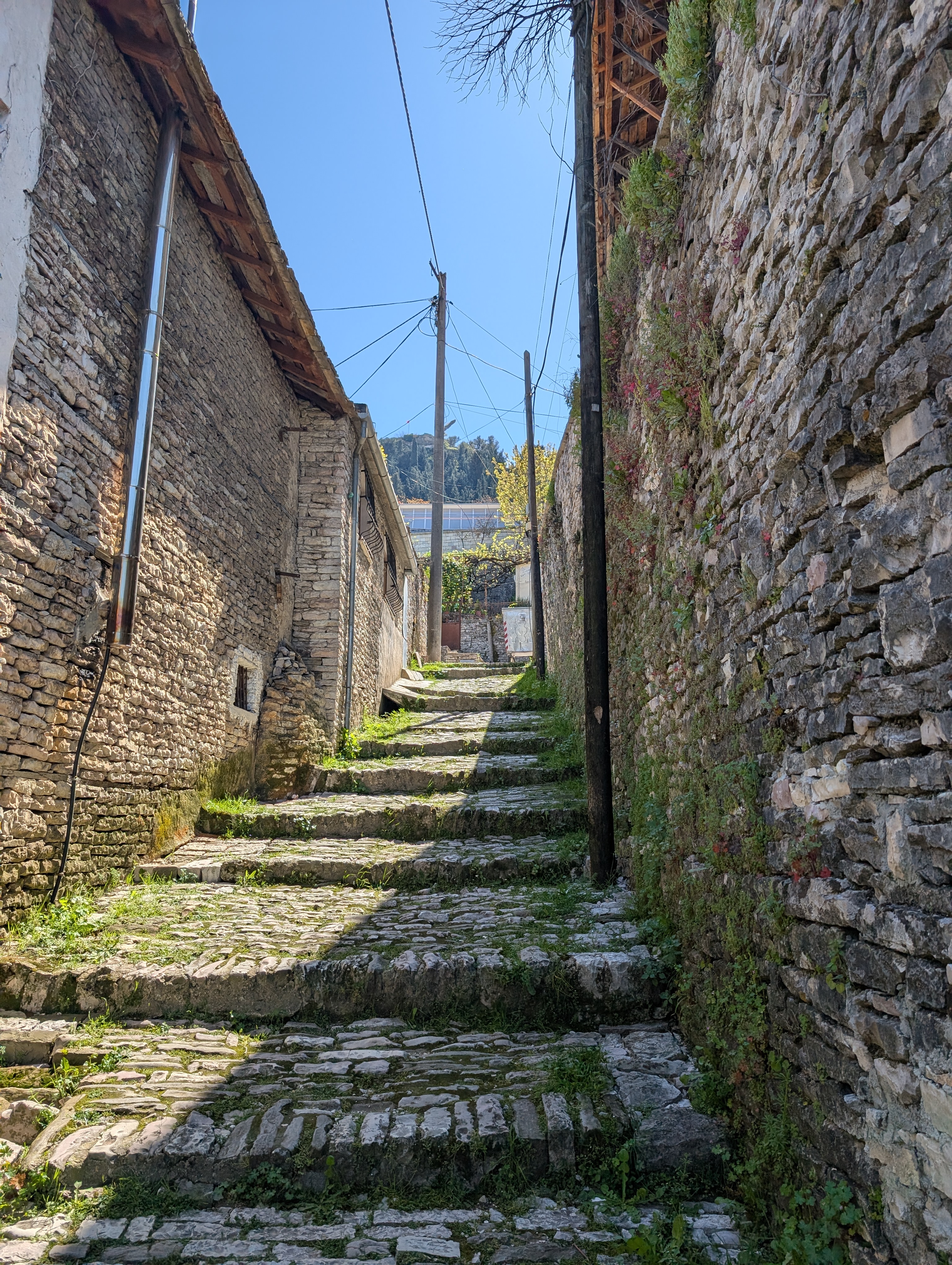
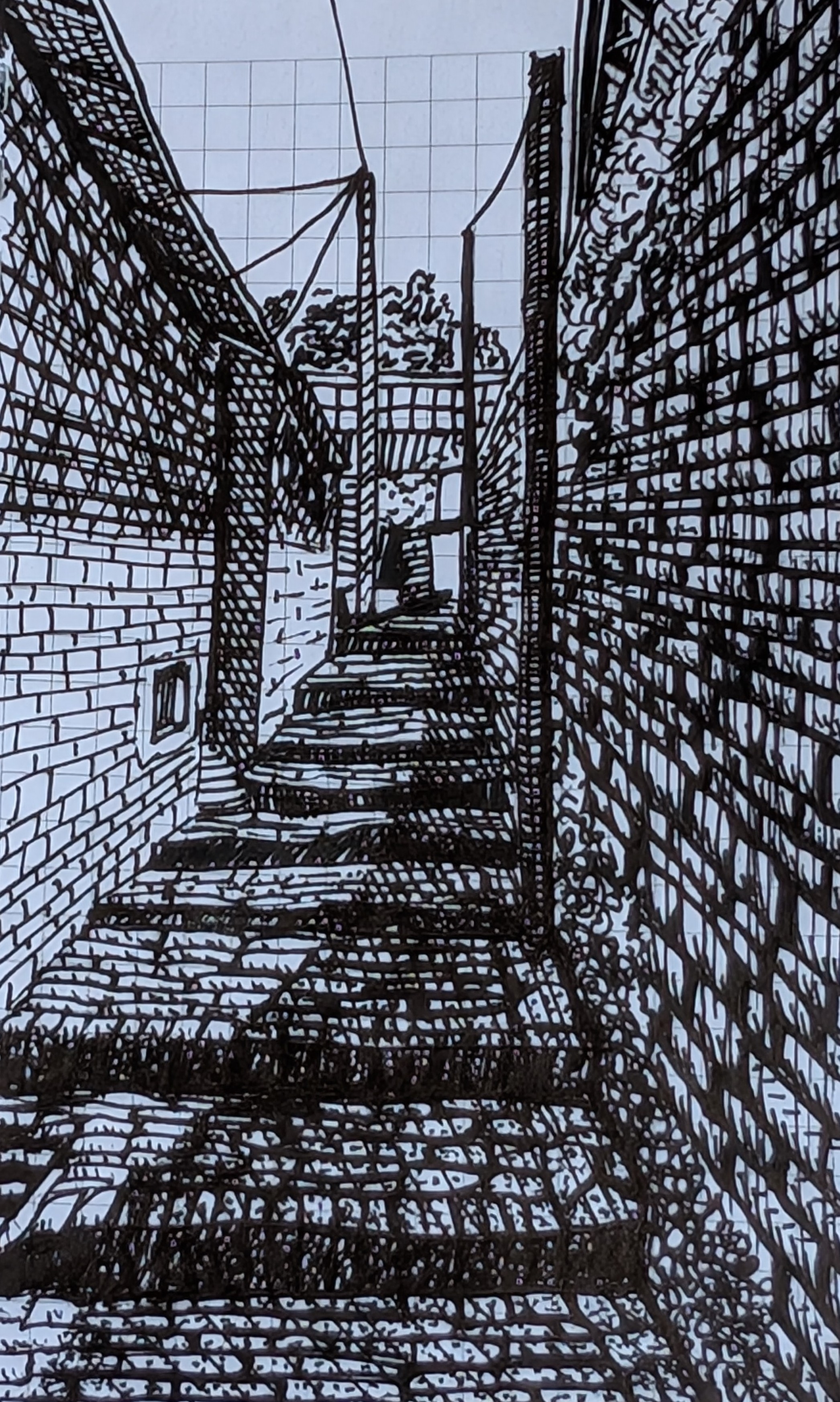
While drawing narrow streets of the old town, I met Mateus from Brazil. Today, at 19, he was celebrating one year of continuous travel, achieved by volunteering in hostels and farms, working odd cash jobs, and living minimally.
Mateus asked me the question of the day: what’s the difference between a traveler and a tourist? While everyone he asked had a different opinion, I liked this answer best: A traveler goes to a place to experience it, and a tourist goes to a place to consume it.
It’s clear that there is no black and white here. Every traveler has some level of consumption, using money to purchase relaxation and comfort, whether it’s a cabin in a cruise ship or a bed in a hostel. I believe I ought to be mindful of that, and aim to minimize my consumption. It reduces my impact and also provides me a more raw and natural experience.